Why Laser Dentistry in Logan Can Make Dental Care More Comfortable
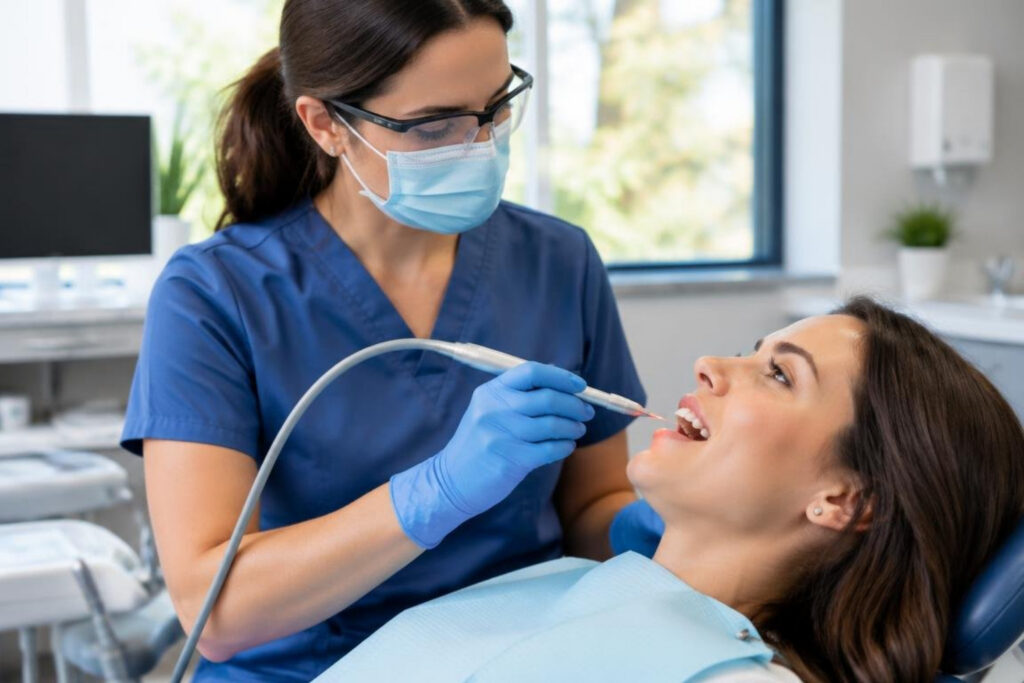
Laser dentistry Logan patients can consider may make certain dental procedures quieter, more precise, and easier to recover from than treatment with traditional drills or scalpels. Depending on the procedure, dental lasers can help manage soft tissue, support periodontal care, reduce bleeding, and disinfect targeted areas. They are not the right tool for every dental need, but they can be a helpful option for families who want gentle, modern care.
At Gentle Family Dental Care, we help patients from Logan, North Logan, Smithfield, Hyrum, and across Cache Valley understand their options before treatment begins. That means clear communication about what a laser can do, whether numbing may still be needed, and what to expect for comfort, healing time, and cost.
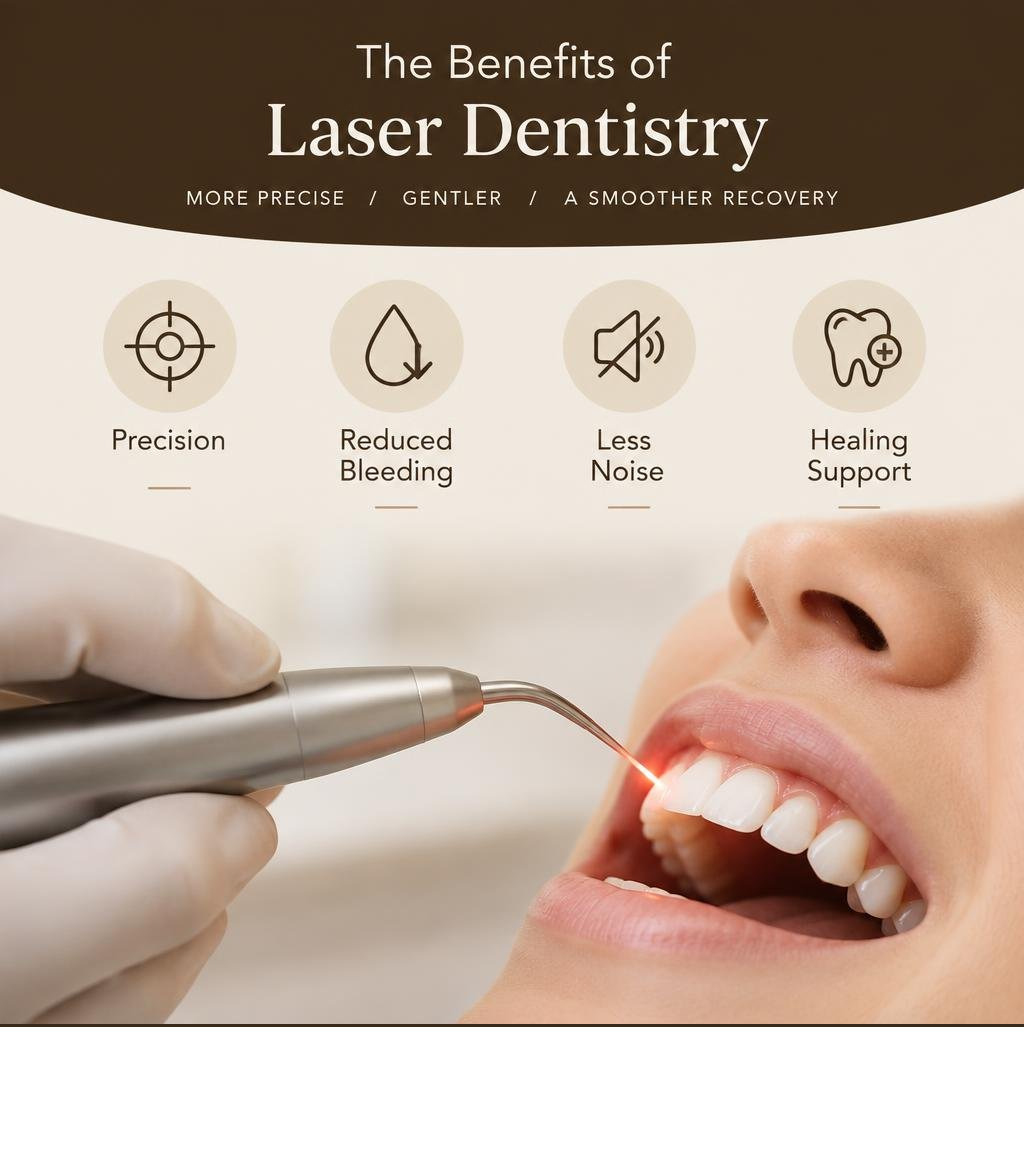
Dental lasers use focused light energy designed for specific oral tissues. Some are used for gum treatments, while low-intensity laser therapy, also called photobiomodulation, is being studied for its ability to support cellular activity involved in healing. The practical benefit for many patients is simple: more targeted treatment with less vibration, less noise, and often less bleeding during appropriate procedures.
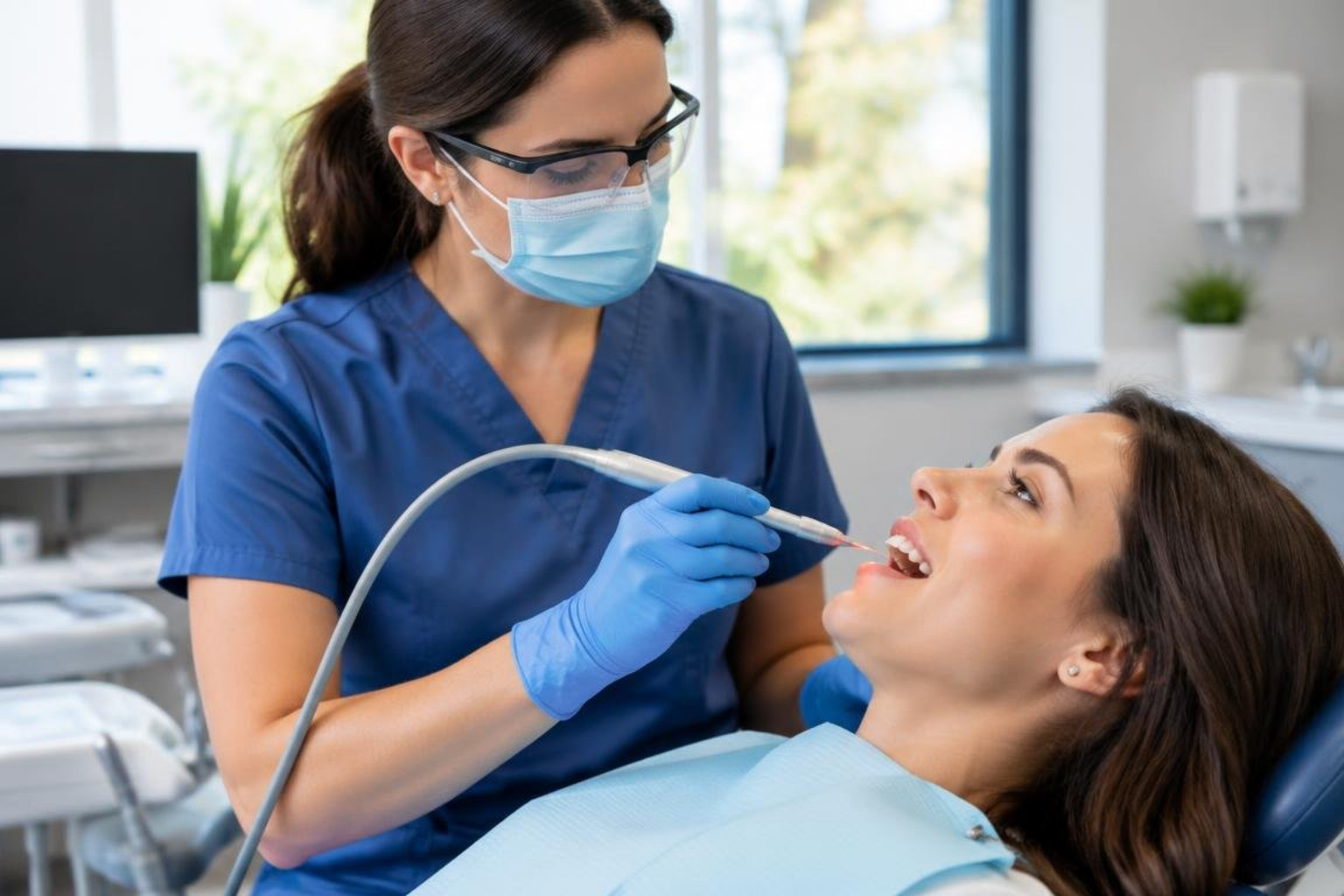
For many people, the thought of a traditional dental drill is enough to delay or avoid care altogether. The high-pitched sound, the pressure of the handpiece, and the sensation of vibration can make even a routine filling feel stressful. Laser-assisted dentistry changes that experience by replacing mechanical friction with focused light energy. Instead of a rotary bur grinding against enamel, a laser can remove decayed tissue in a non-contact way that many patients describe as far more comfortable. This is especially meaningful for children, patients with dental anxiety, and anyone who has avoided treatment because of past discomfort.
Another advantage is the way lasers interact with soft tissue. When a laser is used for gum contouring, periodontal therapy, or a frenectomy, it seals small blood vessels as it works. That means less bleeding during the procedure and often less swelling afterward. For patients in Logan and surrounding Cache Valley communities, this can translate into shorter appointments, fewer post-treatment restrictions, and a faster return to normal eating and speaking.
It is important to understand that lasers are not a replacement for every dental instrument. Some procedures still require traditional methods, and your dentist will recommend the approach that best fits your clinical needs. However, when a laser is appropriate, it can make a meaningful difference in how treatment feels. At Gentle Family Dental Care, we believe that modern technology should serve patient comfort, not just clinical efficiency. That is why we take time to explain when laser dentistry may be a good fit and when another approach may be more effective.
How Dental Lasers Work: The Science of Light Energy
The transition from mechanical cutting to dental lasers is rooted in biophysics. A dental laser generates a focused, coherent beam of light at a calibrated wavelength designed to react with specific targets inside the mouth, known as chromophores. Depending on the clinical goal, these chromophores can be water molecules, hemoglobin in soft tissue, or hydroxyapatite crystals within hard enamel and dentin.
When light energy meets tissue, it can be absorbed, reflected, scattered, or transmitted. In clinical practice, controlled absorption produces the desired dental outcome:
- Coagulation and Hemostasis: As soft-tissue lasers vaporize targeted tissue, they simultaneously seal blood vessels and nerve endings. This thermal effect prevents excessive bleeding and dramatically reduces post-treatment swelling.
- Bacterial Eradication: The thermal and optical energy disrupts microbial cell walls, sterilizing deep periodontal pockets and infected root systems more thoroughly than mechanical rinses alone.
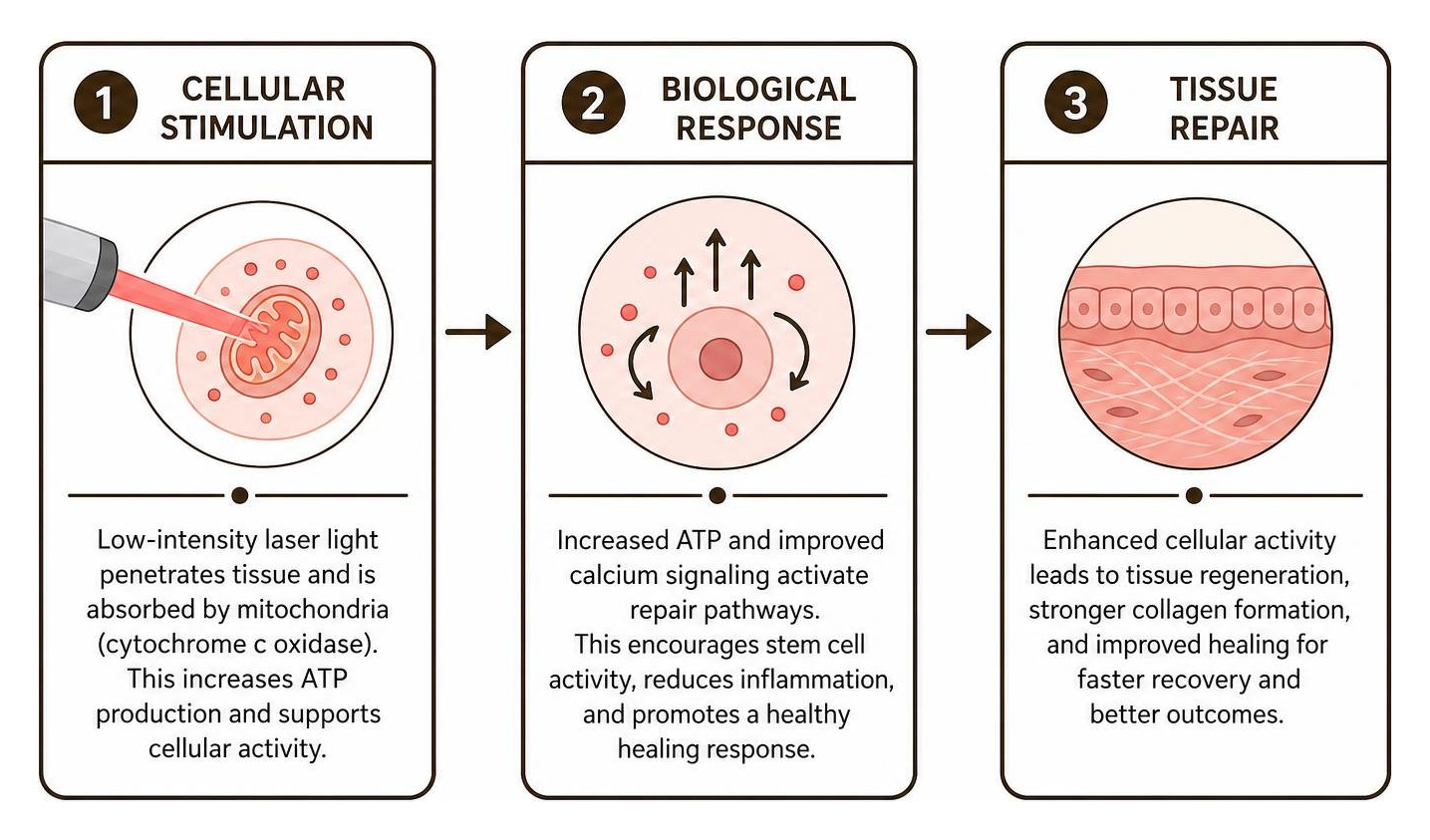
- Photobiomodulation (PBM): At lower power densities (often using wavelengths between 600 and 950 nm), light penetrates deep into oral tissues without creating heat. This process stimulates cytochrome c oxidase within cell mitochondria, accelerating the synthesis of cellular adenosine triphosphate (ATP).
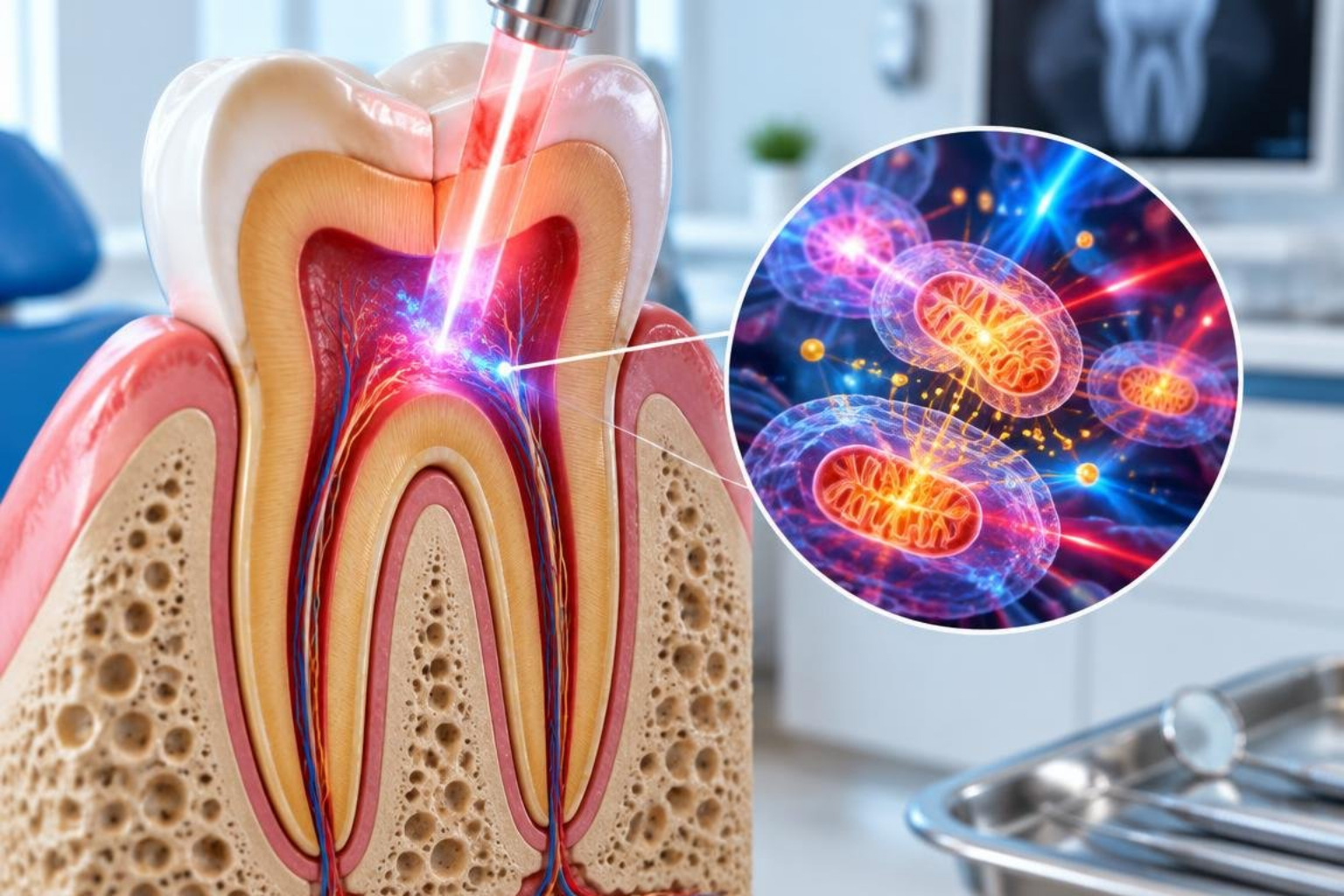
Think of low-intensity laser energy as a biological jump-start for cellular repair. By boosting intracellular ATP and regulating calcium transport, lasers encourage local stem cells to migrate and accelerate natural tissue regeneration.
This process is particularly relevant for patients in Logan and across Cache Valley who want to preserve as much natural tooth structure as possible. When a tooth is damaged by decay or trauma, the body’s own repair mechanisms can sometimes be supported rather than bypassed. Photobiomodulation works with those mechanisms by delivering light energy that cells can use to produce more ATP, the molecule that powers most cellular activity. In dental pulp tissue, this can help stimulate the formation of reparative dentin, the hard tissue that protects the nerve inside a tooth.
For patients, the science matters less than the experience. A laser that supports cellular healing may mean less post-operative soreness, reduced inflammation, and a more comfortable recovery. At Gentle Family Dental Care, we stay current with research on laser-assisted dentistry so that we can offer treatment options that are both clinically sound and genuinely patient-friendly. Whether you are visiting us from North Logan, Smithfield, Hyrum, or elsewhere in Cache Valley, our goal is to help you understand how modern technology can make your care more comfortable.
Modern Procedures Transformed by Laser Dentistry Logan Practices
Soft Tissue Contouring and Periodontal Care with Laser Dentistry Logan Specialists
Soft-tissue management requires precision to preserve healthy gums while sculpting an attractive gumline. Traditional scalpels often necessitate sutures, prolonged pressure to manage bleeding, and a multi-week healing window. Dental lasers streamline this care by vaporizing microscopic layers of tissue while instantly sealing capillaries.
For individuals exploring cosmetic dentistry in Smithfield and throughout Cache Valley, lasers make cosmetic gingivectomies and crown-lengthening procedures efficient and predictable. Patients can reshape an uneven or “gummy” smile with minimal post-procedure soreness.
Beyond cosmetic enhancements, periodontal therapy relies heavily on laser technology. Periodontal disease causes harmful bacteria to build up beneath the gumline, eroding bone and tissue. Focused laser wavelengths selectively target diseased, inflamed pocket linings and pigmented bacteria while leaving healthy connective tissue intact. Lasers also perform quick frenectomies—releasing tight oral tissue ties under the tongue or upper lip—with negligible discomfort for both young children and adult patients.
For patients in Logan and nearby communities, these soft-tissue procedures often require less anesthesia than traditional methods. Because the laser seals nerve endings as it works, many patients report feeling only a mild warmth or nothing at all during treatment. This can be especially reassuring for parents who are considering a frenectomy for a child or for adults who have been putting off gum treatment because of anxiety about pain.
Hard Tissue Cavity Preparation via Laser Dentistry Logan Techniques
For hard-tissue restorations, specialized laser wavelengths interact directly with water trapped within the tooth’s mineral matrix. When laser pulses hit the tooth, microscopic water molecules instantly vaporize and expand, gently micro-exploding decayed enamel and dentin away without direct contact, heat buildup, or mechanical friction.
When addressing deep decay near the nerve, lasers offer a major advantage. During direct pulp capping, gentle photobiomodulation prompts dental pulp stem cells (DPSCs) to differentiate into odontoblasts. Research shows this elevates alkaline phosphatase (ALP) activity and up-regulates dentin sialoprotein (DSP), encouraging the tooth to rebuild a protective dentin bridge naturally. For families across Hyrum and North Logan seeking general dentistry, lasers provide a conservative approach that keeps natural teeth strong and healthy.
This conservative approach matters because preserving natural tooth structure is one of the most important goals in restorative dentistry. When less healthy enamel and dentin are removed, the tooth remains stronger and more resistant to future damage. Laser cavity preparation can be particularly useful for small to moderate areas of decay, where a traditional drill might remove more tooth structure than necessary. For patients in Cache Valley who want to maintain their natural teeth for as long as possible, this precision is a significant benefit.
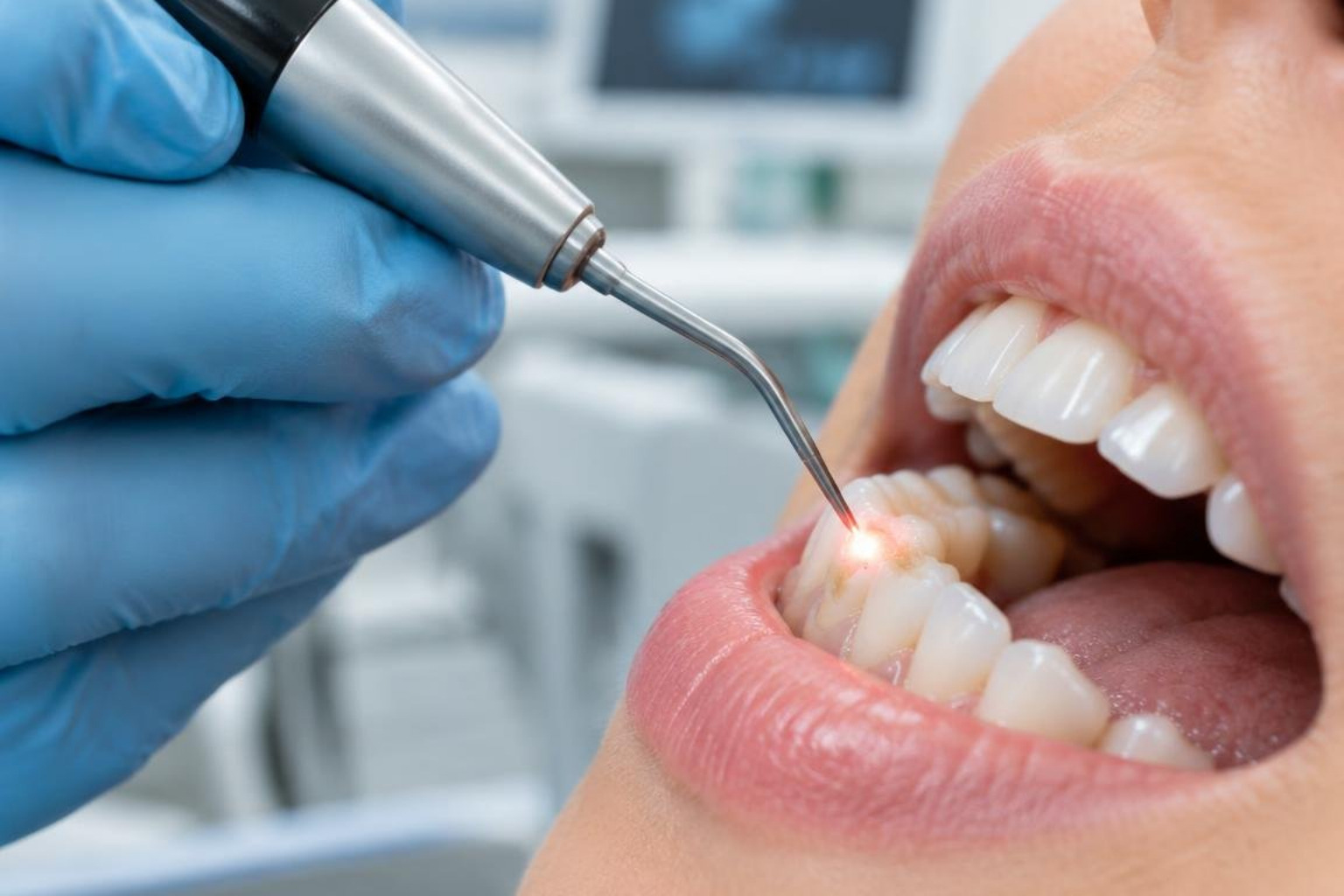
Comparing Laser Dentistry to Conventional Dental Instruments
Many dental anxieties stem from the vibration, pressure, and high-frequency whine of traditional dental handpieces. Comparing conventional dental tools directly with modern laser technology highlights why so many patients prefer laser-assisted care.
| Feature / Metric | Traditional Drills & Scalpels | High-Tech Dental Lasers |
|---|---|---|
| Primary Mechanism | Mechanical friction and rotary burrs | Focused light energy absorption |
| Operating Noise | High-pitched mechanical whine | Gentle rhythmic clicking or silent pulses |
| Vibration & Pressure | Noticeable friction, heat, and vibration | Non-contact, zero mechanical vibration |
| Bleeding Management | Relies on pressure, gauze, and sutures | Immediate coagulation and vessel sealing |
| Anesthesia Needs | Frequently requires local injections | Often performed with minimal or topical anesthetic |
| Healing Timeline | Standard multi-week tissue remodeling | Accelerated cellular repair via PBM |
| Infection Control | Chemical irrigation and debridement | Direct thermal and optical sterilization |
While lasers provide clear clinical advantages, our team at Gentle Family Dental Care combines advanced technology with comprehensive comfort options, including sedation dentistry, to ensure completely stress-free appointments. Whatever your oral healthcare needs, our full suite of dental services is designed around comfort, speed, and long-term oral health.
It is worth noting that the differences in this table are not just theoretical. Patients who have experienced both traditional and laser-assisted treatment often describe the laser experience as calmer and less physically demanding. The absence of vibration alone can make a significant difference for someone with sensitive teeth, a strong gag reflex, or a history of dental anxiety. For families in Logan, North Logan, Smithfield, Hyrum, and the wider Cache Valley area, having access to laser technology means that dental visits can feel less like an ordeal and more like a routine health appointment.
That said, the best technology is only as good as the team using it. At Gentle Family Dental Care, we combine laser-assisted techniques with a patient-first approach that prioritizes clear communication, gentle handling, and respect for your individual comfort level. Whether you need a simple filling, periodontal care, or a more involved restorative procedure, we will help you understand your options and choose the approach that feels right for you.
Frequently Asked Questions About Laser Dentistry in Cache County
Is laser dentistry painful?
Most patients report little to no discomfort during laser treatments. Because dental lasers emit rapid, micro-pulsed light energy without mechanical friction or thermal heat transfer, they avoid over-stimulating nerve fibers. For many soft-tissue treatments and minor fillings, extensive local anesthesia injections are not required. Following treatment, patients typically experience minimal soreness or swelling.
How does low-intensity laser therapy assist dental pulp healing?
Low-intensity laser therapy applies non-thermal light wavelengths that penetrate the tooth structure to target the mitochondria within dental pulp stem cells. This light stimulates cytochrome c oxidase, boosting intracellular ATP production and increasing alkaline phosphatase (ALP) activity. This biochemical surge encourages stem cells to produce reparative dentin, creating a protective barrier over exposed pulp tissue and preserving tooth vitality. Researchers continue to study these mechanisms, and the National Institute of Dental and Craniofacial Research provides additional information on oral health research and emerging dental technologies.
Are dental lasers safe for children and adults?
Yes. Dental lasers are safe for patients of all ages when administered by trained clinicians. The laser’s beam can be adjusted down to fractions of a millimeter, allowing dentists to treat decayed or excess tissue while protecting surrounding healthy enamel and gums. Every patient and team member wears specialized protective eyewear matched to the specific laser wavelength to ensure complete ocular safety.
What types of procedures can dental lasers be used for?
Dental lasers are versatile tools that can be used for a range of procedures, including cavity preparation, gum contouring, periodontal therapy, frenectomies, and treatment of oral lesions. They are also used in some cases to reduce bacteria during root canal therapy and to support healing after soft-tissue procedures. Your dentist will evaluate your specific needs and recommend the most appropriate treatment approach for your situation.
Will I still need anesthesia if I have laser dentistry?
It depends on the procedure and your individual sensitivity. Many soft-tissue laser treatments can be performed with little or no local anesthesia, and some patients find that minor laser fillings are comfortable without numbing. However, for deeper cavities or more extensive procedures, your dentist may still recommend local anesthesia to ensure your complete comfort. At Gentle Family Dental Care, we always discuss anesthesia options with you before treatment begins.
Conclusion
Advancements in dental lasers have made routine appointments, restorative fillings, and periodontal treatments gentler and more efficient. By minimizing bleeding, eliminating mechanical vibration, and encouraging faster tissue recovery, modern laser dentistry makes high-quality oral healthcare accessible for patients of all comfort levels.
At Gentle Family Dental Care, we combine advanced dental technology with compassionate, patient-first care. Backed by over 20 years of clinical experience and bilingual, Spanish-speaking support, we take the time to evaluate your unique smile and guide you toward the right treatment options. Whether you live in Logan, North Logan, Smithfield, Hyrum, or anywhere across Cache Valley, we are here to support your oral health.
Choosing a dental practice is about more than technology. It is about finding a team that listens, explains, and treats you with respect. For patients in Cache Valley, Gentle Family Dental Care offers that combination of modern tools and genuine care. From your first phone call to your final follow-up, our goal is to make every step of your dental experience as comfortable and straightforward as possible.
Ready to experience modern, comfortable dental treatments? Contact our team today or visit Gentle Family Dental Care to schedule your consultation.