
Understanding TMJ Disorder Symptoms and Root Causes
For most people in Cache Valley, TMJ treatment begins with conservative, non-surgical care that relieves jaw pain and restores comfortable function. Custom oral splints, bite equilibration, and targeted muscle therapy are the core options that help the temporomandibular joint heal without surgery. The temporomandibular joint acts as a delicate sliding hinge connecting your lower jawbone to your skull. Because this joint handles everything from chewing and speaking to yawning, any disruption in its alignment or surrounding musculature can spark significant daily discomfort. Many people living across Cache Valley suffer from chronic facial tension or morning headaches without realizing that their jaw joint is the true culprit.
Common symptoms of temporomandibular joint dysfunction include:
- A distinct clicking, popping, or grating sound when opening or closing your mouth
- Dull, aching facial pain radiating through the cheeks, temples, neck, and shoulders
- Restricted jaw movement, tenderness, or instances where the jaw temporarily locks open or shut
- Chronic tension headaches that feel centered right behind the eyes or across the brow
- Ear-related symptoms such as ringing (tinnitus), ear fullness, or deep aching without any sign of an ear infection
- Pain while chewing tough foods or an unexplained shift in the way your upper and lower teeth meet
Because jaw pain often radiates, it frequently mimics other common health issues like sinus infections or standard toothaches. Understanding how these symptoms differ ensures you seek the proper care rather than masking pain with temporary fixes.
| Symptom / Feature | TMJ Disorder (TMD) | Sinus Pressure | Tooth Sensitivity or Infection |
|---|---|---|---|
| Primary Location | Jaw joint, temples, neck, cheeks | Forehead, bridge of nose, under eyes | Single specific tooth or isolated gum area |
| Pain Characteristics | Dull ache, muscle tightness, morning fatigue | Throbbing pressure, worsens when bending over | Sharp pain with hot, cold, or direct bite pressure |
| Jaw Mechanics | Clicking, popping, locking, or stiffness | Normal jaw movement and function | Normal joint movement; pain isolated to chewing |
| Associated Signs | Teeth grinding wear, ear fullness, headaches | Nasal congestion, fever, seasonal allergies | Visible dental decay, gum swelling, cracked enamel |
Routine visits for general dentistry allow our team to detect microscopic tooth wear and early bite discrepancies before chronic joint dysfunction sets in.
Identifying Common Pain Triggers and Joint Dysfunction
Temporomandibular joint pain rarely happens in isolation; it usually develops when physical, structural, and environmental factors converge. Did you know your jaw works up to 2,000 times a day? As one of the hardest working joint systems in your body, it is remarkably sensitive to sustained strain.

- Bruxism (Teeth Grinding and Clenching): Unconscious clenching during stressful workdays or nighttime grinding places immense mechanical load on the joint disc and masticatory muscles.
- Bite Misalignment (Malocclusion): When upper and lower teeth do not meet evenly, your jaw muscles must work overtime to force a proper bite, causing uneven joint wear.
- Postural and Ergonomic Strain: Slumping forward at a computer pulls the cervical spine out of alignment, which reflexively tightens the suboccipital muscles and alters jaw mechanics.
- Stress and Muscle Guarding: High stress triggers systemic muscle tightness, causing you to hold your jaw tight even while resting.
- Joint Degeneration and Trauma: Past sports impacts, whiplash, or systemic conditions like osteoarthritis can degrade the protective cartilage disc inside the joint capsule.
How TMJ Is Evaluated and Diagnosed in Logan
Finding lasting relief starts with an accurate, thorough clinical diagnosis. When patients visit Gentle Family Dental Care from Logan, North Logan, and Smithfield, we do not simply treat the symptom; we map out the biomechanical roots of your discomfort.
A comprehensive evaluation provides clear answers without unnecessary stress. Because TMJ symptoms often overlap with other regional pain issues, an accurate diagnosis rules out dental decay, cracked tooth syndrome, or sinus disease while pinpointing exact muscle trigger points.
What to Expect During a Comprehensive Clinical Examination
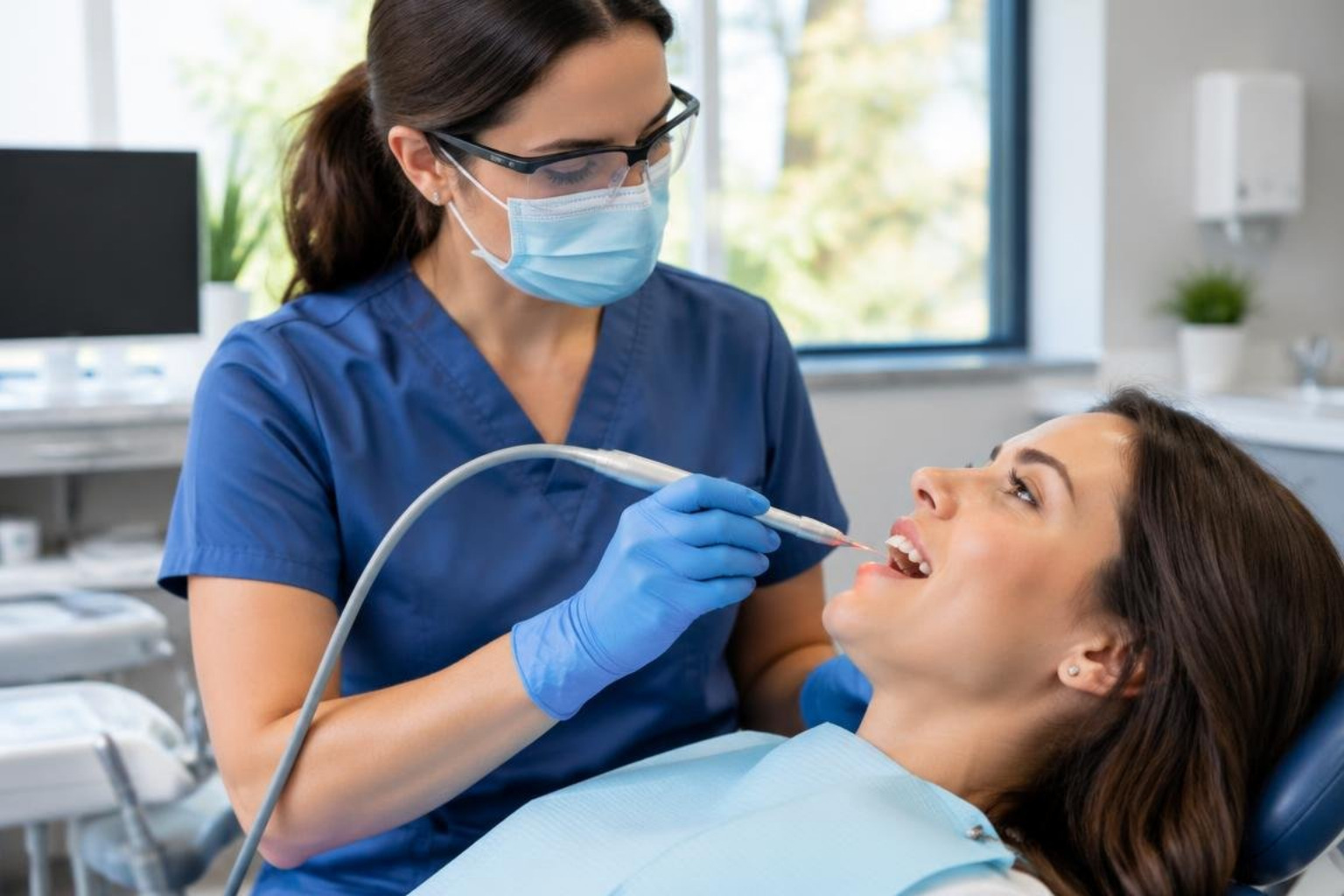
During your consultation, we prioritize a gentle, patient-focused approach backed by over 20 years of clinical experience. Your diagnostic evaluation typically includes:
- Joint Palpation and Acoustic Assessment: We gently feel the temporomandibular joints while you open and close your mouth, checking for tenderness, deviations, clicking, or grating sounds.
- Range-of-Motion Measurements: Using precise diagnostic tools, we measure your jaw’s vertical opening capacity and lateral side-to-side movements to check for mobility restrictions.
- Muscle Tenderness Mapping: We carefully check the masseter, temporalis, and neck muscle groups to identify hyperactive trigger points responsible for referred headaches.
- Bite and Occlusal Analysis: We evaluate how your teeth interlock, checking for premature contact points that force the jaw into an unnatural resting posture.
- Digital Imaging and Diagnostic Scans: High-resolution digital imaging allows us to examine the bony structures of the joint, condyle positioning, and surrounding dental anatomy.
Non-Surgical Options for TMJ Treatment Cache Valley Residents Rely On
The vast majority of TMJ disorders respond exceptionally well to conservative, non-invasive therapies. At Gentle Family Dental Care, we believe in starting with gentle, evidence-based methods that encourage natural joint healing and muscle deprogramming. In fact, clinical studies indicate that conservative, targeted therapeutic care helps up to 80% of head and neck pain sufferers achieve significant improvement in their comfort and quality of life.
Our practice offers a broad spectrum of non-surgical dental services tailored to soothe joint inflammation, protect dental enamel, and rebalance your bite.
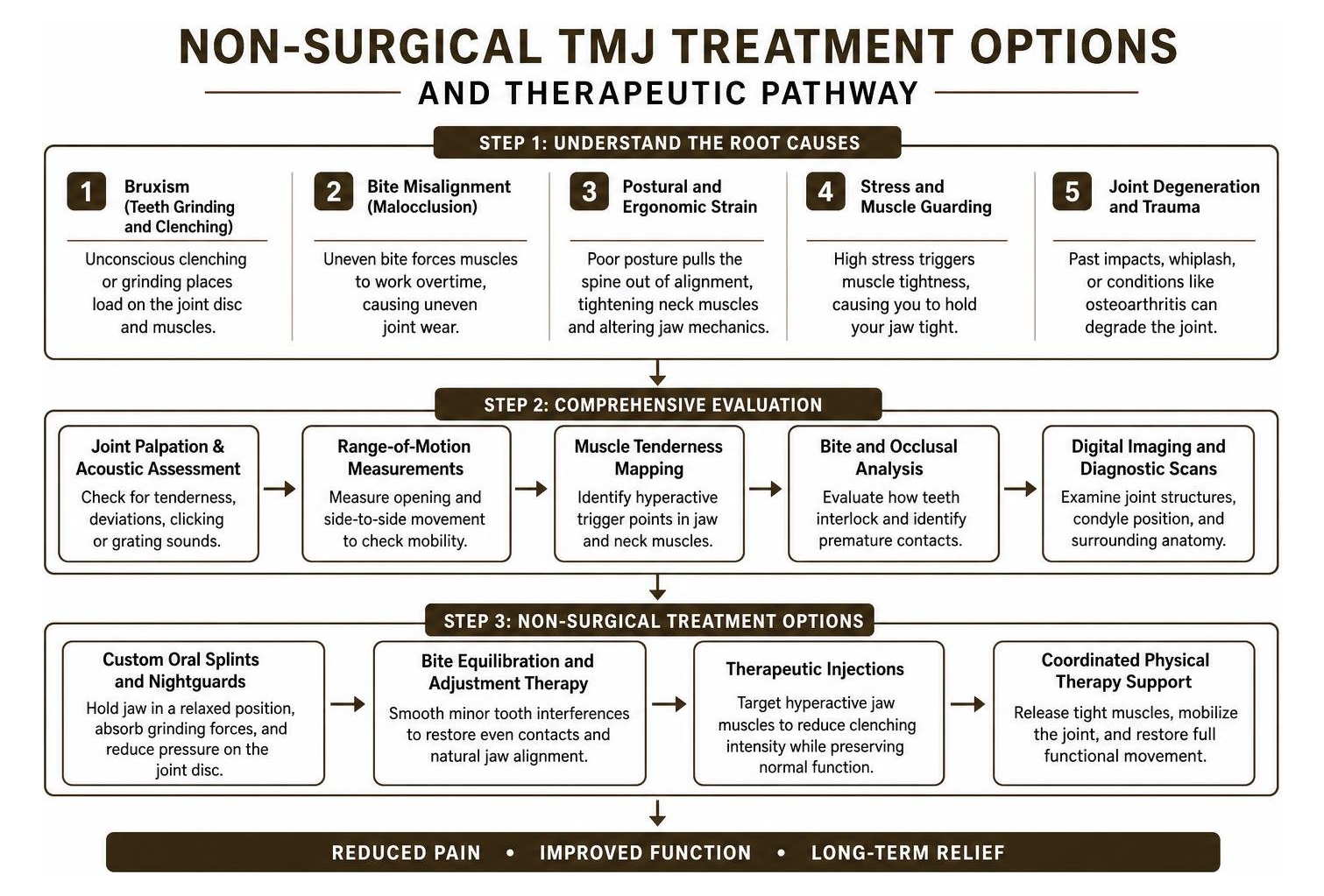
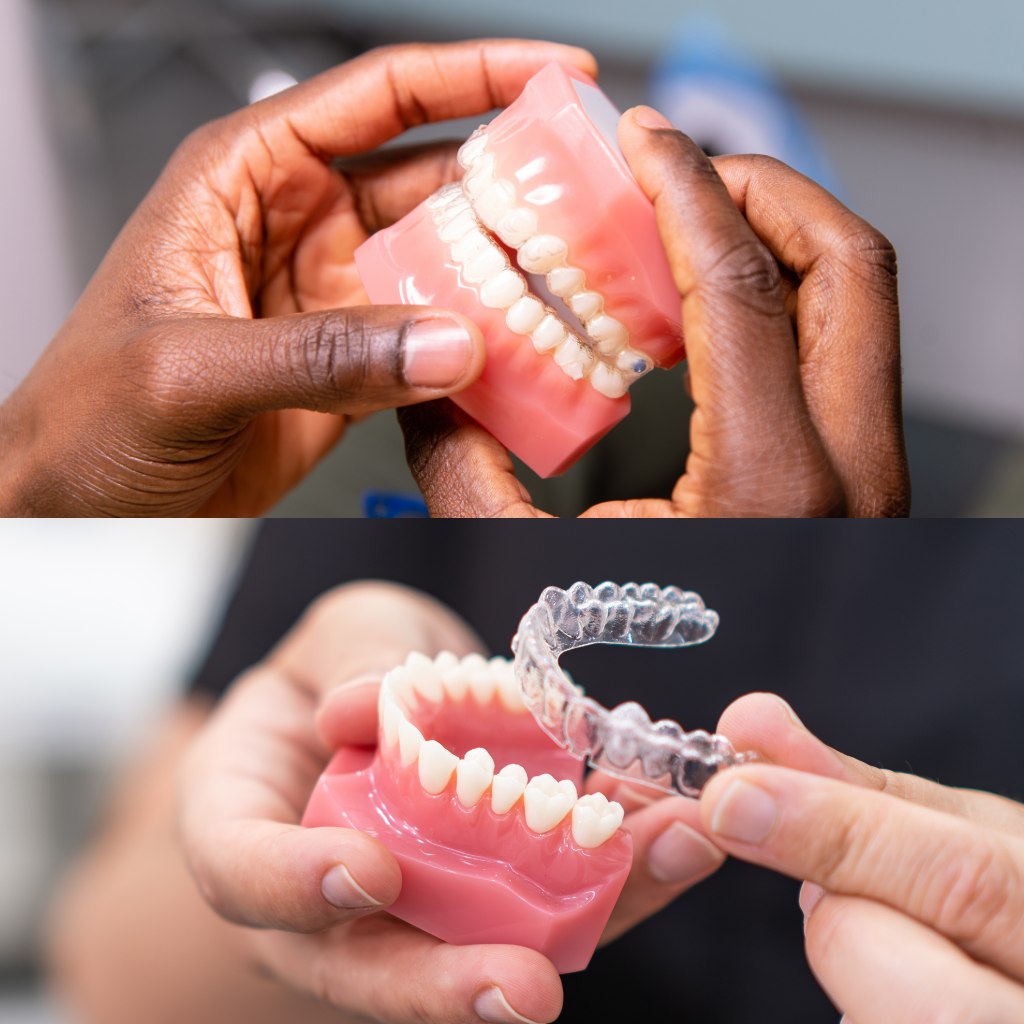
- Custom Oral Splints and Nightguards: Unlike bulky store-bought guards that can worsen clenching, our custom-fabricated appliances fit precisely over your teeth. They hold your jaw in an optimal, relaxed resting position, absorbing nighttime grinding forces and taking direct pressure off the delicate joint disc.
- Bite Equilibration and Adjustment Therapy: In cases where minor tooth interferences cause your jaw to shift unnaturally, subtle smoothing of microscopic contact points can restore harmony across your entire dental arch.
- Therapeutic Injections: Targeted therapeutic applications can relax hyperactive jaw muscles, significantly reducing the intensity of severe clenching without affecting normal chewing or speaking.
- Coordinated Physical Therapy Support: We often recommend partnering dental appliance therapy with specialized physical therapy to release tight cervical muscles, mobilize the joint capsule, and restore full functional movement.
Step-by-Step Pathway to TMJ Treatment Cache Valley Relief
Achieving long-term stability is a gradual, structured process designed to transition your jaw from acute pain to relaxed function:
- Phase 1: Pain Alleviation and Decompression: We begin by fabricating a custom oral appliance to decompress the joint space, protect your teeth, and relieve immediate muscle strain.
- Phase 2: Muscle Deprogramming: Wearing the appliance allows overworked facial muscles to break their chronic spasm cycle and “forget” improper motor habits.
- Phase 3: Occlusal Stabilization: Once muscles have relaxed, we reassess your natural bite to determine if gentle restorative adjustments or orthodontic alignment are needed for permanent balance.
- Phase 4: Long-Term Maintenance: Periodic check-ins ensure your appliance continues to fit comfortably and your jaw remains fully functional without pain recurrence.
Lifestyle Changes and Daily Habits for At-Home Management
Clinical care works best when supported by healthy daily habits. For residents in Hyrum and throughout the valley, making small adjustments to your daily routine can dramatically reduce strain on your temporomandibular joint:
- Adopt the “Lips Together, Teeth Apart” Resting Posture: Throughout the day, your teeth should only make light contact when you swallow. Practice resting your tongue gently against the roof of your mouth just behind your front teeth, keeping your teeth slightly separated and your jaw muscles loose.
- Choose Jaw-Friendly Foods: During flare-ups, give your jaw a vacation. Swap out hard nuts, chewy candies, tough meats, and crusty bread for softer, nutrient-dense choices like smoothies, soups, steamed vegetables, fish, and eggs.
- Apply Moist Heat and Ice Therapy: Apply a warm, moist compress to your jaw and temples for 15 minutes to increase blood flow and relax tight muscles. If the joint feels sharp or inflamed, switch to a cold pack wrapped in a cloth to reduce swelling.
- Improve Daily Posture: Keep computer screens at eye level and avoid cradling phones between your ear and shoulder. Proper upper-body posture keeps your head centered over your spine, reducing strain on your neck and jaw muscles.
- Incorporate Stress Reduction Practices: Because emotional tension often translates directly into jaw clenching, try incorporating deep diaphragmatic breathing, light yoga, or evening meditation to promote systemic physical relaxation.
Timelines, Costs, and Finding the Right Local Care
Understanding what to expect during recovery makes navigating TMJ care straightforward and reassuring. Every patient’s anatomy, habits, and joint conditions are unique, meaning treatment paths are customized to individual clinical needs.

When selecting a dental care provider in Cache Valley, look for a practice that emphasizes thorough diagnostics, non-invasive therapies, clear communication, and modern technology. Our team at Gentle Family Dental Care brings over two decades of dedicated care, bilingual Spanish-speaking staff, and a gentle philosophy focused on patient comfort.
For answers to common questions about dental care and scheduling, browse our helpful frequently asked questions page.
Expected Timelines for TMJ Treatment Cache Valley Patients Experience
Healing timelines depend on the severity of joint inflammation, whether disc displacement is present, and how consistently at-home recommendations are followed:
- Initial Relief (Weeks 1 to 4): Most patients wearing a custom oral appliance notice an immediate drop in morning jaw stiffness, facial tension, and tension headaches within the first few weeks as muscle spasms subside.
- Functional Recovery (Months 1 to 3): As the joint disc stabilizes and muscle memory resets, clicking sounds often diminish, mouth opening becomes smoother, and chewing comfort improves significantly.
- Long-Term Joint Stability (Months 3 to 6+): Complex cases involving bite adjustments or joint remodeling achieve lasting stabilization through continued appliance wear and routine dental monitoring.
When to Seek Immediate Professional Intervention
While occasional, mild jaw fatigue after a long conversation or a tough meal can happen, persistent or worsening discomfort should never be ignored. We recommend scheduling a professional dental evaluation if you notice:
- Your jaw catches, locks, or cannot open wide enough to eat comfortably
- Chronic, unexplained headaches or earaches that fail to respond to standard care
- Pain that wakes you up from sleep or leaves you with severe morning facial soreness
- Uneven, rapid wear, chipping, or flattening of your dental enamel
- Difficulty or pain when chewing everyday foods
Delaying professional treatment can allow minor muscle strain to progress into permanent cartilage disc displacement, chronic joint degeneration, or severe dental fractures that require extensive restorative work.
Frequently Asked Questions About TMJ Relief
Can TMJ disorder cause frequent headaches or earaches?
Yes, absolutely. The temporomandibular joint is situated right next to major sensory nerves and muscle pathways that wrap around your head, neck, and ears. When jaw muscles spasm from chronic grinding or clenching, they refer pain upward into the temples and brow, triggering tension headaches. Inflammation within the joint capsule also causes feelings of deep ear pressure, fullness, or ringing even when no middle ear infection exists.
What happens if TMJ pain is left untreated?
Leaving TMJ dysfunction untreated can turn intermittent soreness into a chronic, debilitating condition. Over time, persistent grinding chips, cracks, and flattens your natural tooth enamel. Constant joint friction can permanently wear down the protective articular disc, leading to bone-on-bone arthritis, chronic jaw locking, facial asymmetry, and long-term chewing difficulties.
Are non-surgical treatments effective for chronic jaw pain?
Yes. Non-surgical, conservative approaches are the gold standard for TMJ management. Custom-engineered oral appliances, bite adjustments, muscle relaxation techniques, and physical therapies effectively resolve symptoms for the overwhelming majority of patients without the need for invasive surgery. Early intervention delivers the fastest, most reliable outcomes.
Conclusion
You do not have to live with the daily burden of jaw soreness, clicking joints, or tension headaches. With modern, conservative TMJ therapies, restoring comfortable chewing and pain-free living is completely achievable.
At Gentle Family Dental Care, we take immense pride in helping our neighbors throughout Logan, Smithfield, North Logan, Hyrum, and the broader Cache Valley community find lasting comfort through personalized, gentle dental solutions. If you are ready to reclaim your comfort, take the first step toward lasting relief and schedule an evaluation today, or easily contact our team to discuss your symptoms and explore your personalized treatment options.